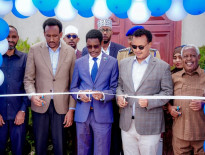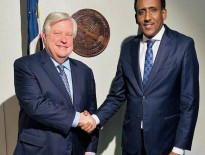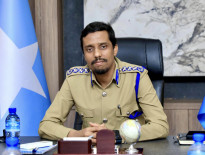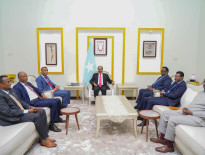
On May 15, 2022, President Hassan Sheikh Mohamud stepped into office inheriting a country fragmented by political infighting, economically crippled, and besieged by a persistent threat of terrorism that had morphed into a shadow state within its borders.
In the face of these monumental challenges, President Mohamud embarked on a courageous mission to guide Somalia towards a new dawn of stability, growth, and peace. The first two years of his presidency have been a testament to unwavering determination and resilience. Navigating through treacherous political landscapes and economic pitfalls, his administration has achieved significant milestones, igniting a flicker of hope in the hearts of millions.
We will look at the remarkable journey of President Mohamud’s tenure, shedding light on the innovative strategies he implemented, and the profound impact of his leadership on Somalia’s future. From revitalizing the economy to bolstering security, his efforts have begun to transform Somalia’s narrative, painting a picture of optimism and renewal in a land long shadowed by despair.
Improved security in Mogadishu
President Mohamud’s administration is credited by the people living in the capital with a relatively improved security situation in the capital city, Mogadishu. Statistics show that there has been more than 80% reduction in attacks, including planned killings, assassinations, targeted attacks on government buildings, and other incidents.
This improvement is also reflected in a return to normalcy, with the removal of some roadblocks previously used to deter Al-Shabaab attacks. There is a relative calm that persisted in Mogadishu during the first two year of President Hassan Sheikh Mohamud’s term.
Liberation of some new territories from Al-Shabaab
President Hassan Mohamud’s administration has prioritized the fight against Al-Shabaab, spearheading a multi-pronged approach. Demonstrating his commitment to this effort, he personally visited the frontline in Dhuusamareb for two months; something that was strange to the citizens considering that leaders usually stayed in Mogadishu.
According to government reports, significant territorial gains have been made, with over 80 areas and districts recaptured from Al-Shabaab, including the strategic town of Harardhere. To combat the group, he also mobilized local clan militias known as Maawisley.
Increased collaboration with international partners has led to successful operations against al-Shabaab, fostering a sense of greater security for many Somalis.
Achieving debt relief
One of President Mohamud’s significant achievement in his first two years is securing a historic debt relief deal for Somalia. In December 2023, Somalia reached an agreement with international creditors to cancel a staggering $4.5 billion in debt.
This milestone was achieved through the Heavily Indebted Poor Countries (HIPC) Initiative, a program overseen by the World Bank and International Monetary Fund (IMF). President Hassan Sheikh Mohamud’s administration played a critical role in securing the final agreement in December 2023.
Lifting of arms embargo
In December 2023, the United Nations Security Council voted to lift the arms embargo on the Somali government. This decision, following three decades of restrictions; the longest in the history, came after Somalia demonstrated progress on UN-outlined security benchmarks.
The lifting allows Somalia to acquire weapons from the international market to strengthen its military capabilities. This development occurred during President Mohamud’s tenure and demonstrates his willingness to achieve greater things while in office.
Securing EAC membership
Somalia secured full membership into the East African Community (EAC) in March 2024 during President Mohamud’s second term, becoming the 8th member of the bloc. This marked a significant milestone for Somalia’s regional integration efforts.
This historic move opens doors for increased trade and economic cooperation, potentially accelerating Somalia’s integration into the regional market.
A Milestone Achieved: Progress on the Constitution
President Hassan Sheikh Mohamud’s administration has achieved a significant milestone with the successful revision of the first four articles of Somalia’s provisional constitution. This move represents a crucial step towards establishing a more robust legal framework for the nation. The revised articles, focusing on the structure of government and separation of powers, offer greater clarity and stability for Somalia’s political landscape.
Article 49 (1) of the approved version of the constitution says that the citizens will directly elect the President. The president will then appoint and be able to fire a Prime Minister.
This achievement demonstrates President Mohamud’s commitment to strengthening Somalia’s democratic institutions and paves the way for further progress on the constitution.
The revision of these core articles signifies a positive step towards a more stable and unified Somalia. A clear and well-defined constitution fosters trust in the government and lays the groundwork for sustainable development. President Mohamud’s leadership in spearheading this revision process fosters national dialogue and inclusivity, crucial elements for building lasting peace and prosperity in Somalia.
The amendments are perfectly in line with the promise of the president that the country will not revert to the previous method of indirect elections held at the Afisyoni tent inside Mogadishu’s Aden Adde Airport but instead give the people chance to directly vote for their leaders. Last year, the President and the leaders of the federal states proposed a presidential system with a president and Vice president directly elected.
The successful completion of these initial articles lays a strong foundation for continued progress on the constitution, offering hope for a brighter future for the nation.
Victory in Maritime Dispute with Ethiopia
President Hassan Sheikh Mohamud’s administration has secured a significant diplomatic win after a maritime dispute with Ethiopia. Somalia has successfully defended its territorial rights. This outcome is a positive development for Somalia and strengthens President Mohamud’s position as a leader who can navigate complex diplomatic challenges.
President Mohamud’s Diplomatic Strategy:
President Mohamud’s leadership is credited with playing a key role in securing a favorable outcome for Somalia. Here are some possible aspects of his diplomatic strategy:
International Advocacy: The Mohamud administration likely lobbied for international support for Somalia’s position based on the United Nations Convention on the Law of the Sea (UNCLOS) principles. This could have involved engaging with regional and global maritime organizations and garnering backing from friendly nations.
Focus on Peaceful Resolution: Despite the disagreement, President Mohamud likely prioritized maintaining a peaceful relationship with Ethiopia. This could have involved seeking diplomatic channels and avoiding escalation through public pronouncements.
Skilled Negotiation: The successful resolution suggests Somalia’s negotiation team, under President Mohamud’s guidance, effectively presented their case and secured a solution that upholds Somalia’s maritime rights.
The Significance of the Win:
The positive outcome of the maritime dispute strengthens Somalia’s position in several ways:
- Economic Benefits: Securing control over its maritime territory allows Somalia to manage potential resources within the Exclusive Economic Zone (EEZ) and negotiate fishing rights or explore seabed mining possibilities.
- Sovereignty and Security: A clear resolution to the border dispute reduces potential for future tensions and bolsters Somalia’s control over its territorial waters.
- Diplomatic Credibility: President Mohamud’s successful handling of the dispute showcases Somalia’s ability to engage in complex diplomatic negotiations and defend its national interests.
Economic Growth and Development
The Mohamud administration has implemented economic reforms aimed at attracting foreign investment and boosting domestic entrepreneurship. This, coupled with a renewed focus on infrastructure development, has led to a gradual increase in economic activity. While challenges remain, these efforts offer hope for a more prosperous future.
Commitment to Youth Empowerment
Recognizing the crucial role young people play in Somalia’s future, President Mohamud has prioritized youth development initiatives. His administration has pledged to create a comprehensive youth empowerment framework, including university accreditation reforms and programs promoting job creation and entrepreneurship. This focus on young people’s potential is a positive step towards building a more vibrant and prosperous Somalia.
In conclusion, the positive strides made under President Mohamud’s leadership offer a compelling case for continued support for Somalia’s development. By focusing on security, economic growth, and regional collaboration, the administration is building a more resilient Somalia.
This, in turn, strengthens the nation’s capacity to tackle remaining obstacles and foster a more prosperous future for all Somalis. Continued international support and collaboration, coupled with President Mohamud’s commitment to progress, offer a hopeful outlook for a Somalia on the rise.
Hey, like this? Why not share it with a buddy?
« The Ethiopia-Somaliland MoU: Implications and opportunities for national unity and political settlement in SomaliaInside Prime Minister Hamza’s Comprehensive visit to Nairobi »
Related Posts