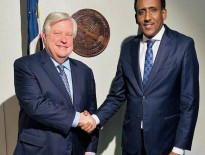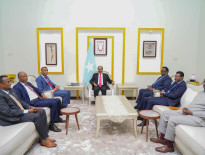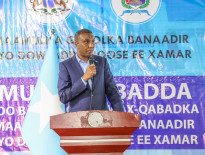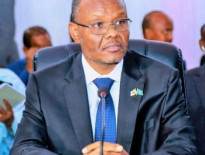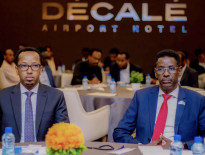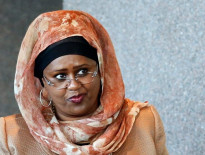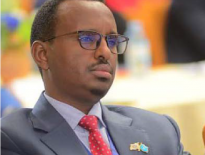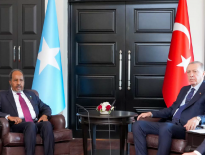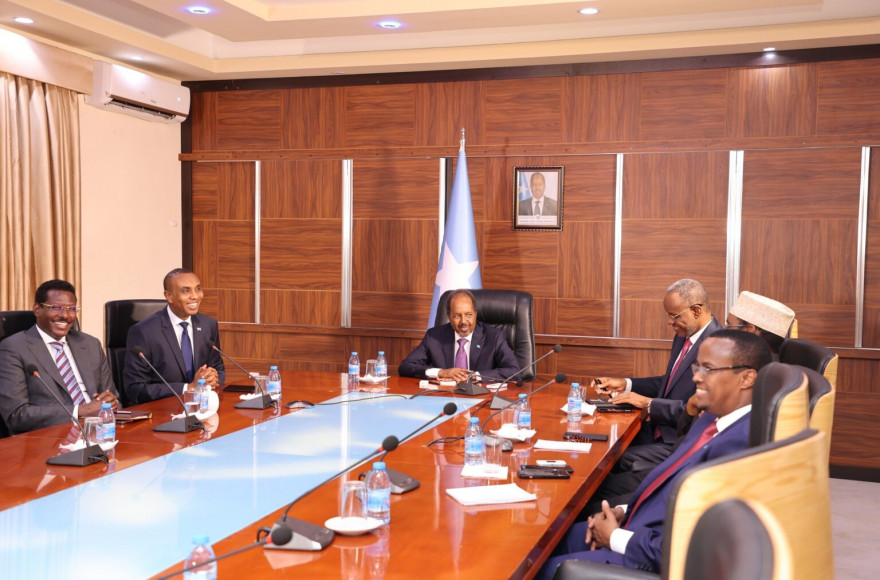
The somali government needs to invest in intelligence more than ever before. They need to be well-trained, well-equipped, well-funded, and removed from all political agendas. Somalia has a newly elected government after its long-delayed presidential election, ending the convoluted electoral process that heightened tensions across the fragile East African nation for the past couple of years. The electoral process was complicated by a set of delays, an ongoing struggle between the central government and primarily two key member states in the Somali Republic, and an ongoing struggle for power between the president and his prime mister. Nevertheless, Somalia has finally held its presidential election where Hassan Sheikh Mohamud (HSM) became Somalia’s President for the second time. President Hassan Sheikh Mohamud has also appointed lawmaker Hamza Abdi Barre as the country’s next Prime Minister. This new leadership in Somalia will be determining the path the country will take on several crucial policy issues including, but not limited to foreign policy, looming famine, economy, and the fight against al-Shabaab.
It is not a surprise that Somalia’s No. 1 challenge will continue to be security. Somalia suffers from multiple broad categories of security challenges, ranging from tensions between Somali authorities (federal and regional states) and extremist terrorist organizations, notably al-Shabaab, the Islamic State in Somalia, and more recently, paramilitary groups and militias such as Ahlu Suna Waljamaaca.
Despite failures and setbacks Somalia has come a long way and has made some incredible progress both in political and security sectors since the collapse of the Somali government in 1991; however, the work is not finished, Somalia still faces ….
Hey, like this? Why not share it with a buddy?
Related Posts