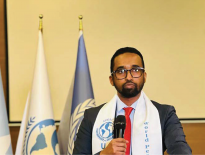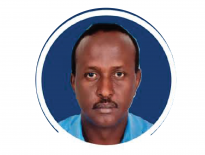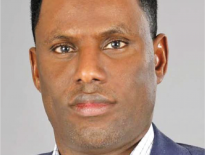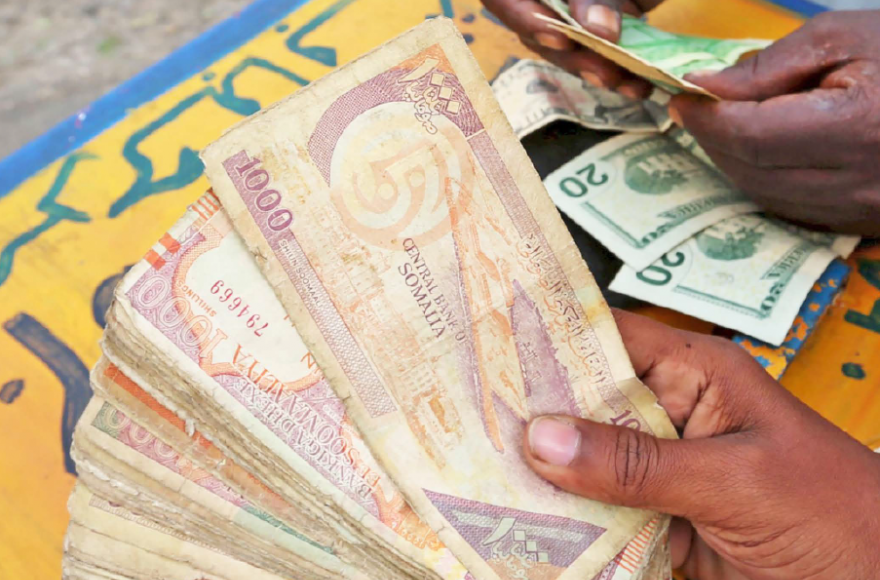
Al Barakat, which in Arabic merely means “blessings,” was founded in Somalia in 1985. It then functioned as a different remittance route that many Somalis used. The company was established by businessman and trained banker Ahmed Nur Ali Jimale. Until 1991, when Somalia’s civil war broke out, it was conveniently running as a Hawala. The central government’s collapse in Somalia created a barrier, the country’s communication infrastructure was destroyed, and the diaspora community struggled to send money home. Al-Barakat was forced to close its doors as a result, but diasporic Somalis who had fled the civil war were eager to find a way to send money to their impoverished families back home and turned to Ahmed Nur Ali Jimale for assistance Ahmed Jumale immediately responded by flying in with the remitted funds in a suitcase.
The benefactors were tracked using information like the recipients’ names and clans. For Somalis who depend on it for food, shelter, to pay for essential services like health and education, as well as to support their local businesses, this money from abroad has been a lifeline. According to a report from September 11, 2001, Al Barakat was then the largest money remittance system operating in Somalia. In addition to Somalis sending money home, it was also the main method the UN uses to send money to support its relief operations there. The company had more than 180 offices around the world before the 9/11 attacks on the United States, solidifying its position as a key player in the Somali economy.
Everything changed when Al-Barakat and its affiliates were accused of funding the terrorist organization al-Qaida in 2001, leading to the blacklisting of AlBarakat and its entities. As a result, the locals were unable to get the money they required to survive. On November 7, 2001, US Federal agents working through asset forfeiture contractors raided alBarakaat offices in Minneapolis, Columbus, Ohio, Alexandria, Virginia, Seattle, Washington, and Boston, Massachusetts. During these raids, they confiscated all of the company’s assets, causing millions of Somalis to lose their hardearned money. In the UAE, $1 million was seized from the UAE EBI accounts, along with all of their records. All of the company’s assets around the world were frozen, and its founder was placed on the American no-fly list as a wanted man. Clients of Albarakat were the hardest hit by the raids. When informed of the unfortunate circumstances, the company’s chairman notes that their clients acted with restraint and understanding. He went on to say that they had to make arrangements to ensure that all of the affected clients were eventually paid, and that this was done with their own money.
Hey, like this? Why not share it with a buddy?
Related Posts